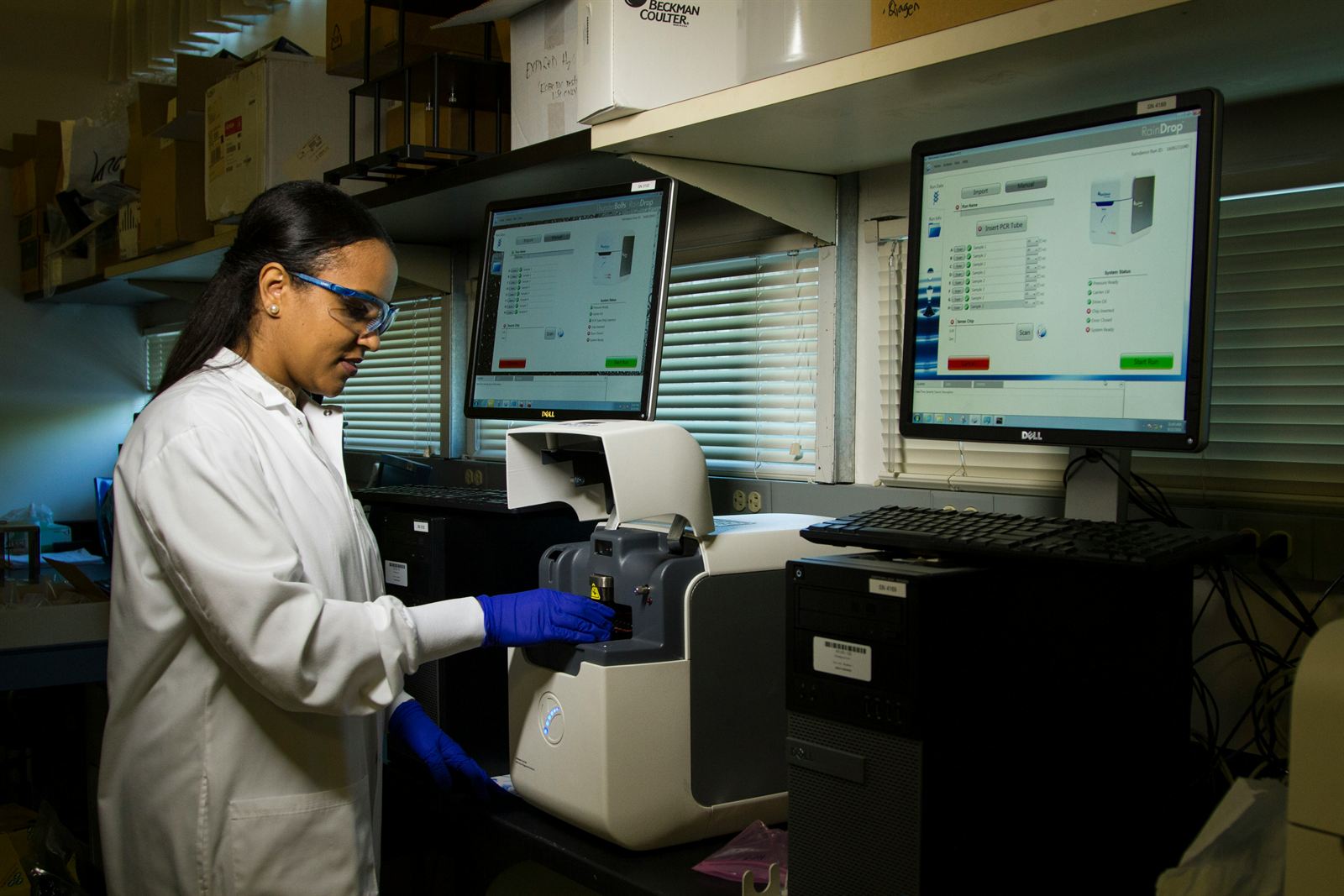
Health & Physiology
- How the female body responds to spaceflight.
- Hormones, heart, bone, brain, and radiation.
For researchers, clinicians, and students.
Adrastea brings young researchers together with senior scientists, engineers, and policymakers. Where do you fit in?
For researchers, clinicians, and students.

For engineers, designers, and biotech minds.
For policy, law, and ethics experts.
For science communicators, writers, designers, and video creators.
A narrative review of what hibernation and torpor could mean for women.
A flight planning framework built around women’s health.
Our 2029 analog research project, bringing Health & Physiology and Bioengineering & Technology together.
Expanded cycle-tracking research using 50 to 100 smart rings.
A collaboration spanning reproductive health and brain science.
A microgravity menstrual cup in medical-grade silicone, with material validation and rheological blood analogs.
Using existing satellite data to find gaps in menstrual hygiene access and guide nonprofit supply chains.
Advocating for legislation that advances health literacy on social media platforms and raises awareness of misinformation.
Advocating for under-18 involvement in space policy and decision-making.
Planned summer advocacy for women’s health research and youth participation in policy.
The Period as an Underlying Covariate for Analog Missions: menstrual cycle considerations often overlooked in analog research.
Educational short-form content across LinkedIn, Instagram, and TikTok.
3D animators, scientific and medical illustrators, student content creators, and science journalists.
Inspiring audiences to explore space medicine and women’s health in aerospace.
Found your place? Tell us what you study and which division interests you.